Solar panel protection

Solar Panel Protection in Mesa, AZ
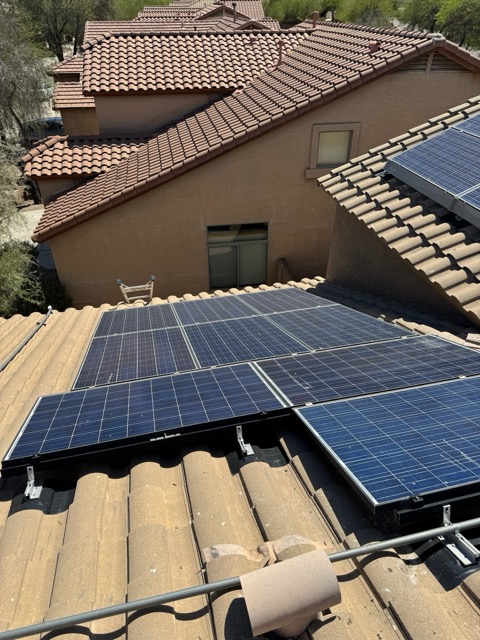
Birds and rodents use the shaded gap beneath solar panels for nesting, shelter, and protection from Arizona heat. Our solar panel screen protection in Mesa, AZ removes active nesting material, cleans affected areas, and installs fitted half-inch mesh with frame-mounted clips. No drilling into panels or roofing materials is required.
15+
Years of Experience
5*
Google Rating
1,000+
Homes Protected
No Drilling Required
Warranty-safe clip system

Birds nesting under your solar panels?
Droppings, dry nests, mites, and chewed wiring create health, equipment, and fire risks while the colony continues using the protected space.
480-848-6957

What Wildlife Under Your Panels Actually CostsYou

Birds and rodents beneath a solar array create more than roof noise. Nesting material holds heat and moisture, droppings cover equipment, and animals gain protected access to wiring and roof penetrations. Will inspects the entire array before recommending removal, cleaning, screening, or related exclusion work.
Reduced Solar Output
Bird droppings, feathers, leaves, and nesting debris block sunlight when they accumulate on panel surfaces. Material packed beneath the array can also restrict airflow around wiring and equipment. Cleaning restores the panel surface, while screening prevents birds from rebuilding nests below it.
Financial Loss
Wiring & Fire Hazard
Pigeons, roof rats, and other animals can disturb or chew wire insulation beneath solar panels. Dry grass, twigs, feathers, and nesting debris create combustible material near electrical components. Screening closes the sheltered access point before wiring damage or nest buildup becomes a larger repair.
Immediate Risk
Droppings & Disease Exposure
Bird droppings accumulate beneath panels, along roof valleys, and near gutters, patios, AC equipment, and walkways. Dried droppings carry histoplasmosis risk when contaminated dust becomes airborne. Bird nests can also support mites that move toward roof penetrations and interior spaces after the birds leave.
Health Risk
Structural Corrosion & Roof Staining
Bird droppings hold moisture and damage painted, coated, and metal surfaces over time. Repeated accumulation stains tile roofs, flashing, panel frames, stucco, patios, and equipment below the roofline. Cleaning alone does not stop the damage when the nesting space remains open.
Property Damage
Built for Arizona Roofs

Solar Screening Designed for Arizona Conditions

Solar panel screening must close the complete perimeter without blocking ventilation, damaging roof materials, or interfering with future panel service. Will measures the array, identifies conduit and bracket gaps, and fits the mesh around the actual roofline rather than forcing one standard piece onto every system.
Book Free Inspection
Full Gap Coverage
The mesh must extend from the solar panel frame to the roof surface without leaving openings at lower edges, corners, mounting feet, or changes in roof pitch. A short barrier leaves enough space for birds to push underneath and rebuild.
Half-Inch Mesh
Half-inch openings block pigeons, sparrows, starlings, and larger nesting birds while maintaining ventilation around the array. The smaller opening also limits access for roof rats and other animals attracted to the shade and shelter beneath panels.
Coated Metal Mesh
Coated metal mesh holds its shape under Arizona sun, heat, wind, and monsoon exposure. The dark finish blends with panel frames and rooflines more cleanly than bright unfinished wire. Material condition and attachment points are checked during the final inspection.
Frame-Mounted Clips
Metal clips fasten the mesh to compatible solar panel frames without drilling into panels, roof tiles, underlayment, or decking. The installation preserves airflow and future service access while avoiding unnecessary roof penetrations.
The Difference

Right Way vs.
Wrong Way to Screen Solar Panels

Cheap / DIY Approaches
Thin mesh pushed loosely beneath panel edges
Open corners and gaps around conduit
Plastic materials that weaken in Arizona sun
Screws driven into panels or roofing materials
Openings large enough for birds to force through
Screening installed over nests and droppings
No inspection for rodents or damaged wiring
Darling Wildlife & Pest Control Services
Coated metal mesh custom fitted to the array
Corners, brackets, and conduit routes closed
Half-inch openings block common nesting birds
Frame-mounted clips require no roof drilling
Active nests and debris addressed before screening
Droppings and affected surfaces cleaned as quoted
Final inspection checks the complete perimeter

10% OFF For First Visit

Schedule Your Visit
Where we Work

Solar Panel Screen Protection Across the East Valley

Based in Mesa, installing solar panel bird and rodent barriers throughout the Phoenix East Valley.
Mesa
Chandler
Gilbert
Tempe
Scottsdale
Queen Creek
Ahwatukee
Apache Junction
Sun Lakes
Gold Canyon
Fountain Hills
Paradise Valley
Rio Verde
01

Free Roof & Panel Inspection

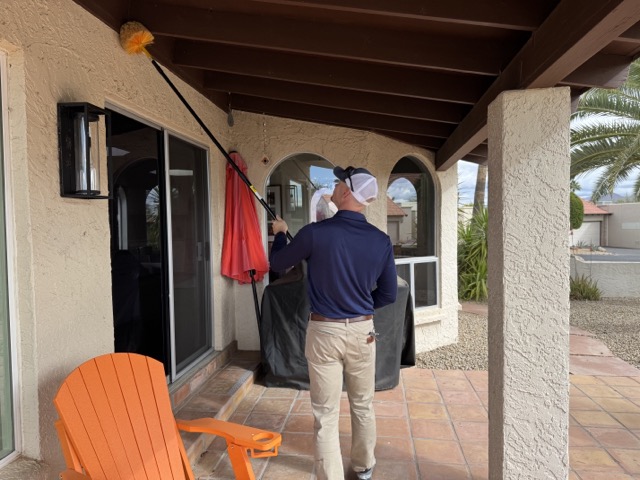
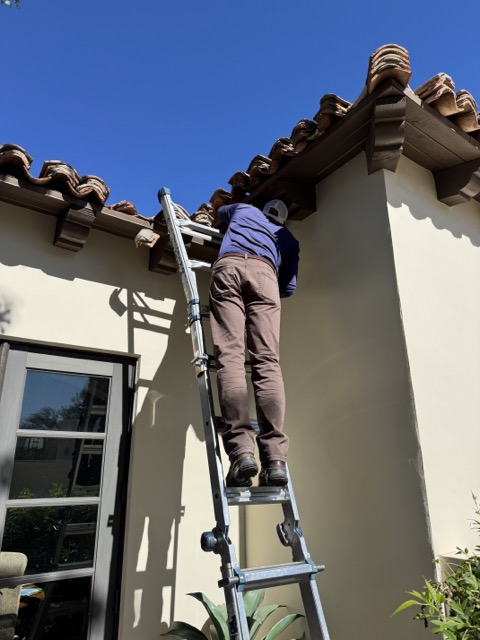
Will inspects the panel perimeter, roof tiles, mounting brackets, conduit, wiring, droppings, nesting debris, and nearby roosting locations. He identifies whether pigeons, smaller birds, roof rats, or another animal is using the array and explains the removal, cleanup, and screening scope.

02

Nest Removal & Sanitization

Accessible nests, feathers, droppings, food debris, and contaminated material are removed before the barrier is installed. Protected native birds and active nests require legally compliant timing. Surfaces are sanitized as needed, and pressure washing is quoted when roof, panel, wall, or patio staining requires it.

03

Custom Screen Fabrication & Fit

Coated half-inch mesh is measured and cut around the actual panel array. Will fits sections around mounting feet, roof transitions, conduit, corners, and changes in panel height. Custom fitting prevents the small openings that birds repeatedly find in loosely installed barriers.

04

Clip-System Installation

The mesh is attached to compatible panel frames with metal clips. No holes are drilled into panels, roof tiles, underlayment, or decking. The barrier closes the nesting gap while preserving airflow beneath the array and allowing future solar service when sections need to be removed.

05

Final Inspection & Walk-Through

Will checks the full perimeter for loose mesh, open corners, conduit gaps, and sections that do not follow the roofline. He explains what was installed, points out any separate roof or wiring concerns, and confirms that the nesting space has been closed before leaving.

What To Expect

Our Solar Panel Screening Process

Every project starts with a roof and array inspection. Will confirms what is living beneath the panels, checks for active nests, identifies contamination and wiring concerns, and measures the complete perimeter. Screening is installed only after the space is cleared and prepared.
Schedule Free Visit
Solar Panel Protection

FAQs

No. Our clip-based installation attaches to the panel frames, not to the panels themselves, and not to your roofing tiles. No drilling, no screwing, no penetration of any surface. This is specifically why we use this system rather than cheaper alternatives that drill through the roof or clamp directly to panel glass.

The ½” mesh allows full airflow beneath the panels, panels need ventilation to prevent overheating, and our screening provides it. The mesh itself doesn’t contact the panels or block any light. In fact, removing bird droppings and nesting material during installation typically restores 10–30% of efficiency that was being lost before.

Most residential installations, a standard array of 20–30 panels, are completed in a single visit of 2–4 hours. Larger arrays or more complex rooflines may require a half-day. We schedule inspection and installation together wherever possible so you only need to be home once.

They may attempt to roost on the panel tops or nearby ledges initially. For properties with significant bird pressure, we can add bird spikes to roofline edges, parapet walls, and AC units to discourage landing. Solar panel screening eliminates their primary nesting site, most bird populations reduce significantly once their established colony is disrupted.

Get Your Free Estimates Today

No pressure, no obligation. A certified wildlife biologist visits your home, diagnoses the problem honestly, and gives you a clear, fair quote.