Seasonal Wildlife Defense

Monsoon Wildlife Protection in Mesa, AZ
Monsoon wind, rain, and sudden temperature changes displace roof rats, pack rats, birds, scorpions, snakes, and other Arizona wildlife. Our monsoon wildlife protection service finds vulnerable roof gaps, vents, block wall routes, and exterior harborage before storms drive animals inside.
Jul–Sep
Peak Season
5*
Google Rating
1 Day
Response Time
Get Protected Now
Before the storms arrive

Is your home ready for monsoon season?
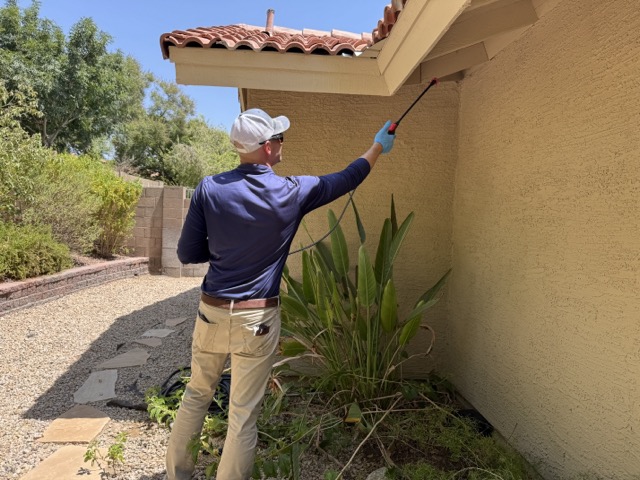
Storm-driven wildlife activity begins before the first major rain, so schedule inspection and exclusion work before June.
480-848-6957
Arizona’s Wildlife Cycle

Why Monsoon Season Changes Wildlife Behavior

Monsoon season is an annual displacement cycle, not just a series of storms. Heavy rain floods ground burrows, wind damages nests and roof components, and temperature shifts push animals toward dry, protected structures. Mesa homes near washes, desert-edge lots, golf courses, and block wall corridors face added pressure.

Pre-Monsoon

May-June
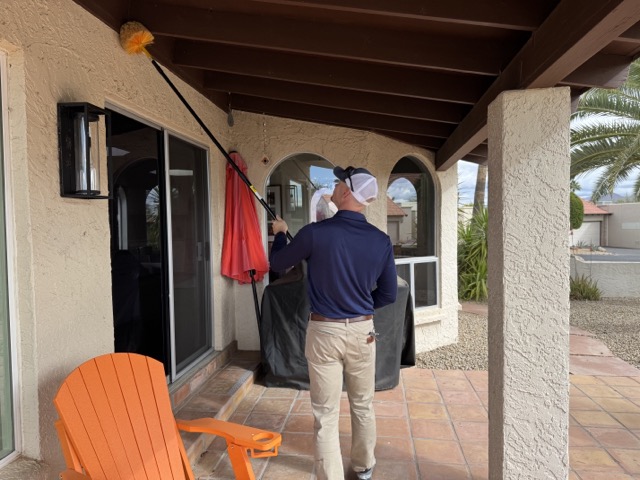
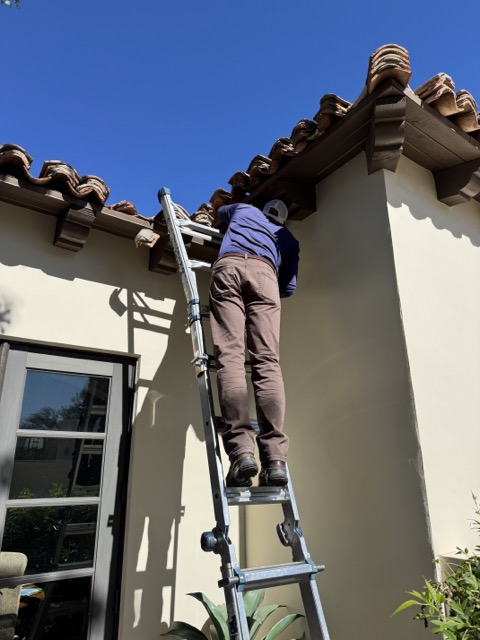
Extreme heat increases scorpion activity and sends rodents farther in search of food, water, and cooler shelter. Will inspects tile roofs, vents, eaves, garages, AC penetrations, block walls, and landscaping before storms create new openings or displace animals toward the structure.

Monsoon Onset

July-August
The first storms flush ants, crickets, cockroaches, bark scorpions, rodents, and snakes from soil, drains, burrows, block walls, and landscape beds. Wildlife begins testing garages, attics, patio covers, sheds, vents, and roof gaps for dry shelter.

Peak Monsoon

August-September
Repeated storms keep displacing animals and increase the chance that temporary shelter becomes an established nesting site. Roof rats, pack rats, birds, and other wildlife may remain inside attics or roof systems once they find reliable protection from rain, heat, and predators.

Post-Monsoon

October+
Animals that entered during storms often remain as temperatures begin to fall. Rodent activity shifts toward attics, garages, sheds, and vehicle areas. Post-monsoon inspection catches droppings, nesting material, damaged insulation, gnawing, and entry gaps before winter activity becomes established.
Common Monsoon Invaders

Wildlife Species Driven Into
Mesa Homes

Different animals respond to monsoon conditions in different ways. Will identifies the species, entry route, shelter pattern, and damage before choosing a removal or prevention method. The service addresses the immediate animal and the property condition that allowed it inside.

Roof Rats

Roof rats climb citrus trees, block walls, utility lines, and tile roof edges to reach attics. They enter through gaps about the size of a quarter, then contaminate insulation and chew wiring. Monsoon roof damage and displaced food sources increase the chance of attic entry.
Wiring · Droppings · Attic Damage

Squirrels

Ground squirrels and tree squirrels may seek shelter in attics, garages, and roof voids when storms disrupt their nests or burrows. They chew wood, wiring, and insulation while creating entry holes along rooflines, vents, and fascia.
Structural Damage · Chewing · Insulation Loss

Pigeons & Birds

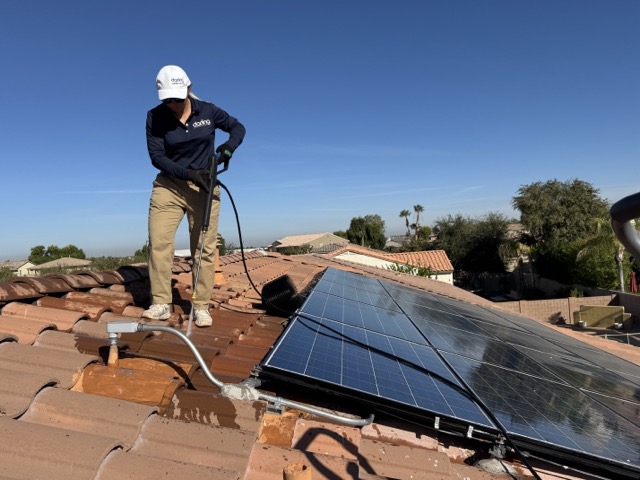
Sparrows, starlings, grackles, pigeons, and other birds use eaves, vents, patio covers, solar panels, and damaged rooflines for dry shelter. Nesting material blocks airflow, while droppings stain and corrode roofing and equipment. Protected native birds and active nests require legally appropriate timing.
Disease · Blocked vents

Raccoons

Raccoons exploit damaged vents, roof edges, and accessible structures to enter attics and crawlspaces. They are strong and persistent, often enlarging openings and causing significant structural damage.
Aggressive · Structural Damage

Skunks

Skunks may use softened soil beneath sheds, decks, AC pads, and foundations for shelter during storms. They can dig under structures and create strong odor issues if disturbed or threatened.
Odor · Digging

Scorpions

Monsoon rain flushes bark scorpions from block walls, palm debris, irrigation boxes, AC areas, and other harborage. They follow crickets and cockroaches toward garages, bathrooms, bedrooms, and door thresholds. Effective control treats both scorpion travel routes and the insects supporting them.
Venomous · High Risk
Always Humane
100% cruelty-free
Before the Storms Hit

How to Monsoon-Proof Your Home

The most effective monsoon wildlife protection happens before animals enter. Will uses a biology-based inspection to find weak roof components, unprotected vents, rodent routes, pest harborage, and storm-sensitive openings. The resulting plan combines exclusion, habitat changes, and targeted treatment around the actual risks.
Free Pre-Season Inspection
Seal All Entry Points
Yard & Landscaping Assessment
Perimeter Treatment
Humane Deterrents
Cleanup & Restoration
Free inspection

10% OFF For First Visit

Schedule Your Visit
Where we Work

Monsoon Wildlife Protection Across the East Valley

Based in Mesa, responding throughout the East Valley before, during, and after monsoon storms.
Mesa
Chandler
Gilbert
Tempe
Scottsdale
Queen Creek
Ahwatukee
Apache Junction
Sun Lakes
Gold Canyon
Fountain Hills
Paradise Valley
Rio Verde
01

Same-Day or Next-Day Response

Wildlife inside an attic, garage, vent, or living area requires prompt inspection. Same-day and next-day appointments are available when scheduling allows, with snake and urgent interior calls prioritized. Call or text 480-848-6957 and describe where the activity is occurring.

02

Identify Species & Entry Point

Will identifies the animal from droppings, tracks, sounds, nesting material, damage, timing, and entry evidence. A single sighting does not confirm a single animal, so he checks connected roof voids, vents, attics, wall gaps, and exterior routes before recommending removal.

03

Humane Removal

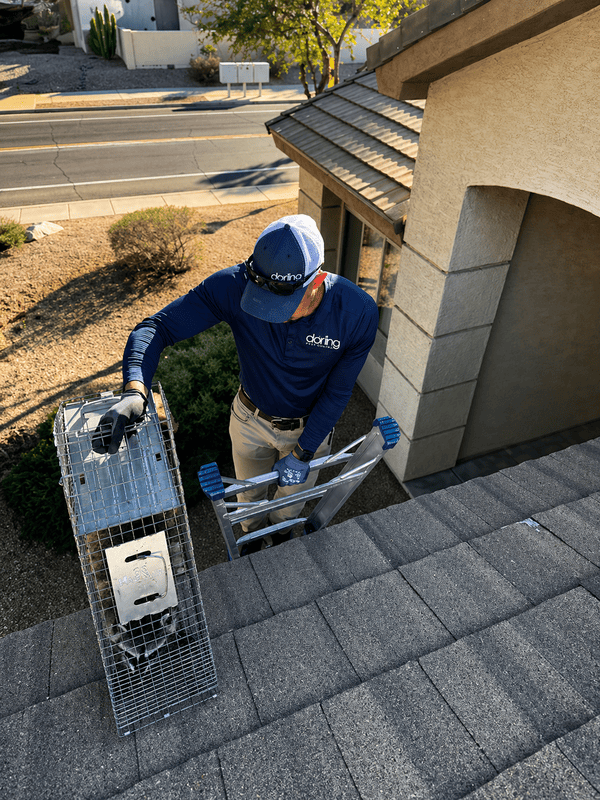
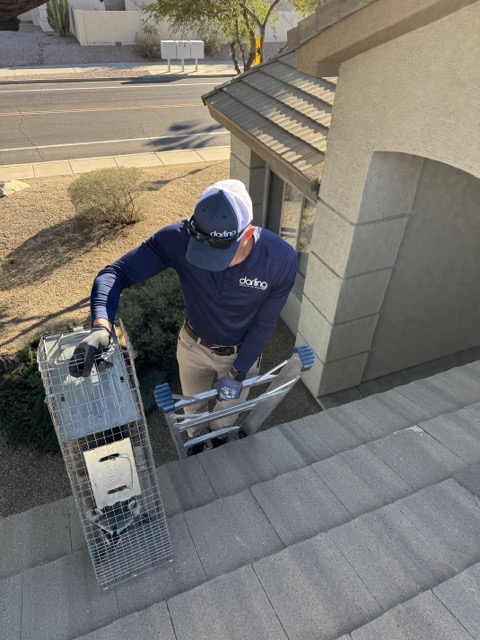
We use live trapping, trap and release, one-way doors, direct removal, and other species-appropriate methods. Protected birds and bats require legally compliant timing. The removal sequence is planned to avoid trapping animals or dependent young inside the structure.

04

Seal the Entry Point

After activity is cleared, Will closes the confirmed route and inspects nearby vulnerabilities. Removal without exclusion leaves the same roof gap, vent, soffit, or utility opening available during the next storm. Repairs are selected around Mesa stucco and tile construction.

05

Cleanup & Restoration

We remove nesting material and droppings, sanitize affected areas, and assess insulation and wiring damage. Contaminated insulation can be removed and replaced when necessary. Darling Wildlife and Pest Control Services handles removal, exclusion, cleanup, sanitation, and restoration without requiring a second contractor.

Our Approach

What We Do If Wildlife Gets In

Even prepared properties can develop new openings after strong wind, falling debris, roof movement, or water damage. Our response identifies the species, removes it humanely, seals the access point, and addresses contamination. Will completes every inspection and job, so the diagnosis does not change between salesperson and technician.
Schedule Free Visit
Monsoon Protection

FAQs

Very likely. Nighttime scurrying or scratching in attics and walls is the most common sign of roof rats or squirrels, both of which increase entry attempts during monsoon season. The sooner you call, the smaller the population we’re dealing with. Don’t wait until the noises stop, that rarely means they’ve left.

Yes, that’s one of the key reasons East Valley homeowners choose us. We handle humane removal, entry point sealing, nest and droppings cleanup, sanitization, and attic insulation replacement all under one roof. You don’t need to coordinate multiple contractors.

Don’t approach or corner it. Skunks spray as a defense mechanism and can also carry rabies. We handle skunk removal humanely and safely, trapping and relocating them without triggering a spray, then sealing the den entry to prevent re-occupation. Call us, don’t attempt this yourself.

Ideally before June, before the heat peaks and the first storms arrive. Pre-season treatment and exclusion work is significantly more effective than reactive removal after wildlife has already entered. That said, we respond immediately whenever you need us, even during peak monsoon activity.

Get Your Free Estimates Today

No pressure, no obligation. A certified wildlife biologist visits your home, diagnoses the problem honestly, and gives you a clear, fair quote.