Humane Rodent Control

Rodent Control in Mesa, AZ
Mice, pack rats, and other rodents enter Mesa homes through roof gaps, vents, garages, utility penetrations, and foundation openings. Our rodent control service identifies the species, removes active animals, seals every confirmed entry point, and cleans contaminated areas. Certified Wildlife Biologist Will Schmieder personally performs every inspection and job.
15+
Years of Experience
5*
Google Rating
1,000+
Homes Protected
No Poison Inside
Humane methods only

Hearing scratching inside your walls or attic?
Rodents contaminate insulation, damage stored property, and chew wiring while an untreated population continues breeding inside the structure.
480-848-6957
Mesa Rodent Species

Rodents Found Around East Valley Homes

Roof Rats
Roof rats climb citrus trees, oleanders, block walls, utility lines, and tile roof edges before entering attics. They use vents, soffit returns, fascia gaps, roof penetrations, and openings about the size of a quarter. Roof-rat-specific removal is covered in greater depth on our dedicated Roof Rat Removal page.
Most Common · High Damage
House Mice
House mice leave small, rice-sized droppings and commonly enter kitchens, pantries, garages, cabinets, utility rooms, and wall cavities. They use small openings around doors, pipes, conduit, foundations, and stored materials. Their size allows them to establish indoors before homeowners notice obvious damage.
Fast Breeding
Pack Rats (Woodrats)
Pack rats build bulky nests from sticks, insulation, fabric, paper, and collected objects. They commonly use desert landscaping, sheds, garages, vehicle engines, AC equipment, and spaces beneath structures. Their nesting and chewing create serious wiring, equipment, and fire risks.
Vehicle Damage
Ground Squirrels
Ground squirrels create burrows near foundations, landscape beds, irrigation systems, patios, and retaining areas. They damage plants and can undermine soil around hardscape or structures. Will distinguishes squirrel burrows from rat activity before recommending removal or habitat correction.
Structural Risk
Kangaroo Rats
Kangaroo rats primarily occupy desert-edge properties and dry landscaped areas. They create burrows, collect seeds, and may move closer to structures when grading, storms, or development disrupt habitat. Their presence requires a different assessment from an indoor mouse or attic-rat infestation.
Desert Adjacent
Norway Rats
Norway rats are heavier, ground-oriented rodents associated with burrows, drains, sewer routes, food storage, and lower structural openings. They are less common than roof rats in many East Valley homes, but identification matters because trapping locations and travel routes differ.
Landscape Damage
Why Rodents Are Dangerous

Rodent Infestations Create More Than Noise

Rodents do not simply pass through a home. They establish travel routes, nesting areas, food caches, and contaminated zones. Will evaluates the species and the full extent of activity before recommending trapping, exclusion, sanitation, or restoration.
Book Free Inspection
Electrical Wiring Damage
Mice, pack rats, and rats gnaw wiring inside attics, garages, vehicles, AC units, pool equipment, and wall cavities. Damaged insulation around electrical wires creates repair costs and potential fire risk. Pack rats also carry nesting material into engine compartments, where dry debris creates another fire hazard.
Contaminated Insulation
Rodents spread urine, droppings, nesting debris, body oils, and scent markers through attic insulation. Rodent droppings carry hantavirus risk, so contaminated material should not be swept or vacuumed without proper controls. We assess whether localized sanitation or full insulation removal is appropriate.
Food and Storage Damage
Mice enter pantries, cabinets, garages, storage rooms, and pet-food areas through openings that are easy to overlook. They chew cardboard, plastic packaging, fabric, paper, and stored belongings. Visible food damage usually means rodents have already established protected travel routes nearby.
Repeat Infestations
Trapping rodents without sealing entry points leaves the home open to the next population. Roof gaps, utility penetrations, damaged vents, garage corners, fascia openings, and foundation gaps continue admitting animals. Permanent control requires removal and exclusion, not bait or traps alone.
Vehicle and Equipment Damage
Pack rats commonly build stick nests around vehicle engines, outdoor equipment, sheds, pool systems, and AC components. They collect debris and chew wiring while using the protected space as shelter. Starting a vehicle with a large dry nest under the hood creates both mechanical and fire risk.
01

Free Comprehensive Inspection

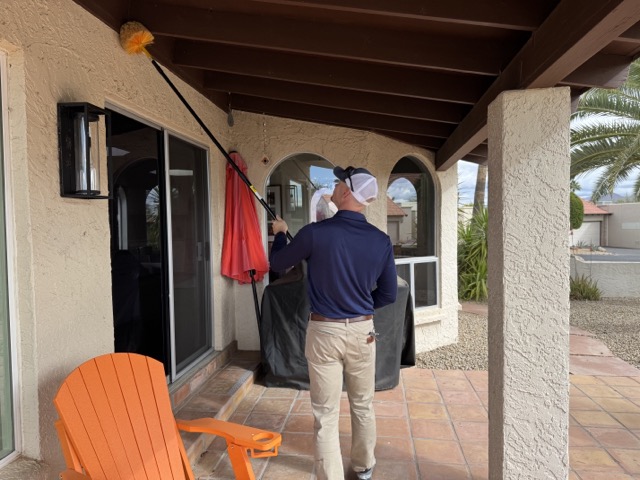
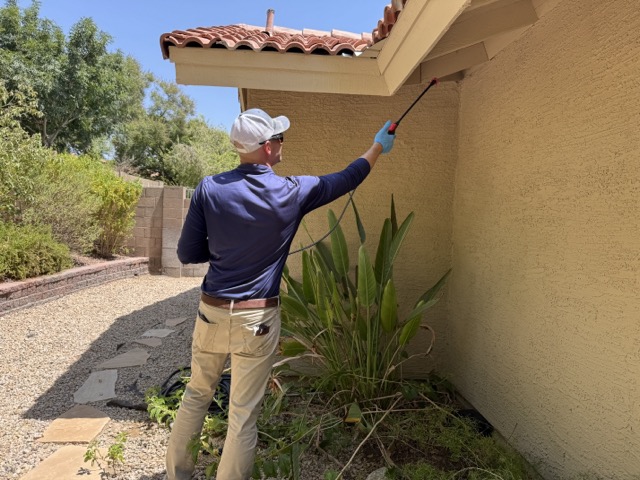
Will inspects the attic, roofline, walls, kitchen, garage, foundation, landscaping, and exterior equipment. He identifies the rodent species, active entry points, nesting areas, contamination, wiring damage, and conditions supporting the infestation. You receive a clear explanation and itemized quote before work begins.

02

Targeted Humane Removal

We use snap traps, live traps, and species-appropriate trapping based on travel patterns and active zones. We do not use rodenticide poison inside homes because poisoned rodents often die in inaccessible voids, creating odor, fly activity, contamination, and secondary poisoning risk.

03

Permanent Exclusion

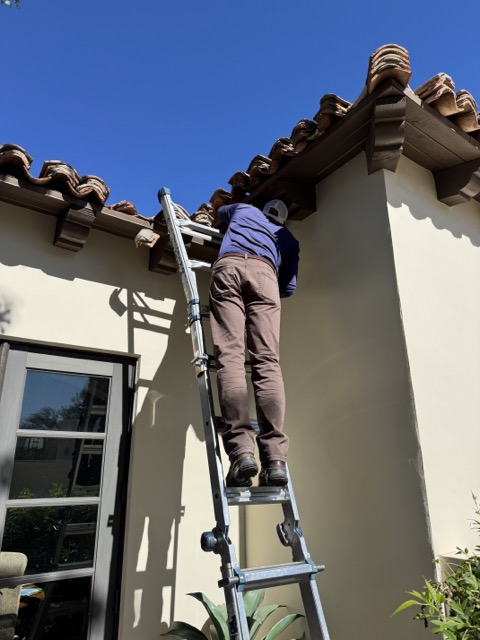
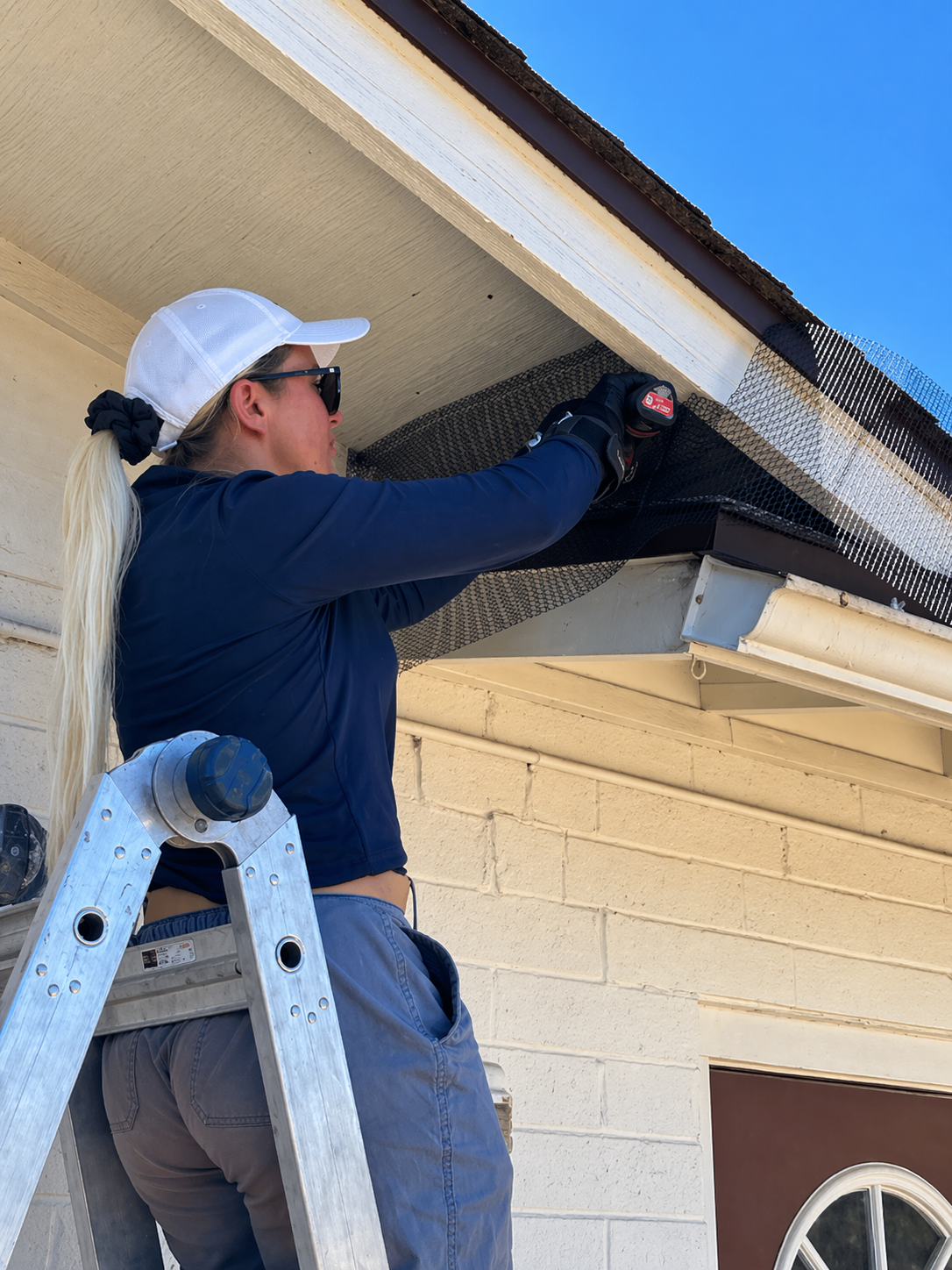
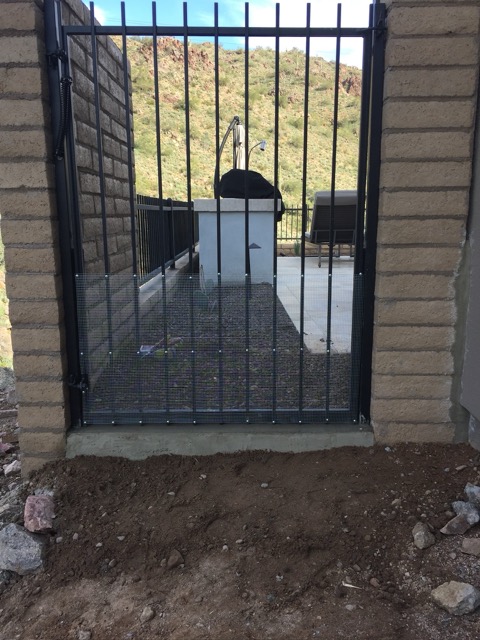
After the removal sequence is established, Will seals confirmed openings with metal flashing, hardware cloth, fitted vent protection, and professional exclusion materials rodents cannot easily chew through. The work covers roof edges, soffits, vents, pipe penetrations, fascia gaps, garage routes, and foundation openings.

04

Cleanup, Sanitization & Restoration

We remove accessible droppings, nests, urine-contaminated debris, and damaged insulation, then sanitize affected areas using controlled methods. When contamination is extensive, we provide insulation removal and replacement. The customer does not need a separate trapping, exclusion, cleaning, or insulation contractor.

How It Works

Our Rodent Control Process

Every job follows the same four-part framework: inspection, removal, exclusion, and restoration. Will adjusts trap type, placement, sealing materials, and cleanup recommendations according to the species, building construction, contamination level, and travel patterns found on the property.
Schedule Free Visit

10% OFF For First Visit

Schedule Your Visit
Where we Work

Rodent Control Across the East Valley

Based in Mesa, removing rats and mice from homes, attics, garages, vehicles, and managed properties throughout the East Valley.
Mesa
Chandler
Gilbert
Tempe
Scottsdale
Queen Creek
Ahwatukee
Apache Junction
Sun Lakes
Gold Canyon
Fountain Hills
Paradise Valley
Rio Verde
Pack Rat Capital of the East Valley
satisfaction guaranteed
Keep Rodents Out

How to Reduce Rodent Pressure Around Your Home

Rodent prevention combines exclusion with property changes that reduce food, water, shelter, and roof access. Will recommends only the corrections supported by inspection findings. Landscaping changes alone will not solve an active attic infestation, and sealing alone fails when rodents remain trapped inside.
Pick Up Fallen Citrus
Trim Roof Access
Repair Irrigation Leaks
Store Food Securely
Reduce Nesting Debris
Rodent Control

FAQs

Roof rat droppings are larger, about ½” long with pointed ends, and you’ll typically hear them in the attic or ceiling. Mice leave smaller, rice-grain-sized droppings and are more likely to be found at ground level in kitchens and pantries. Pack rats build obvious, large stick nests. A free inspection from Will will confirm the species immediately and change the removal strategy accordingly.

Roof rats can squeeze through a gap the size of a quarter. Common entry points include: open or damaged roof vents, gaps in soffit returns, unsealed conduit penetrations, broken fascia boards, spaces around pipe entries through exterior walls, and gaps at roofline edges where tiles or shingles don’t seal completely. Most homeowners are genuinely surprised how many vulnerabilities their roof has once we walk them through it.

Don’t run the engine, dry nesting material under the hood is a fire hazard, and any chewed wiring can cause electrical issues. Call us immediately. We remove the nest, assess wiring damage, and set traps in the garage to address the population. We also advise on deterrent measures to prevent pack rats from using vehicles as nesting sites in the future.

Most infestations are fully cleared within 2–3 weeks from the first visit. Inspection and trap setup on day one, removal over 1–2 weeks, exclusion work once activity stops, and cleanup/restoration as a final step. Larger or multi-species infestations may take longer. We’ll give you a realistic timeline after the inspection, no vague estimates.

Get Your Free Estimates Today

No pressure, no obligation. A certified wildlife biologist visits your home, diagnoses the problem honestly, and gives you a clear, fair quote.