Exterior Barrier Treatments

Exterior Pest Control in Mesa, AZ
Bark scorpions, black widows, ants, crickets, cockroaches, and earwigs move indoors through block walls, garages, AC lines, and foundation gaps. Our exterior pest control Mesa AZ service targets harborage areas, applies precise barrier treatments, and reduces repeat entry.
15+
Years of Experience
5*
Google Rating
1,000+
Homes Protected
Pet & Plant Safe
Every product, every treatment

Finding pests inside your home now?
Waiting allows pests to breed around block walls, landscaping, garages, pool equipment, and utility penetrations before moving indoors.
480-848-6957
What We Treat

Exterior Pests That Threaten
Mesa Homes

Bark Scorpions

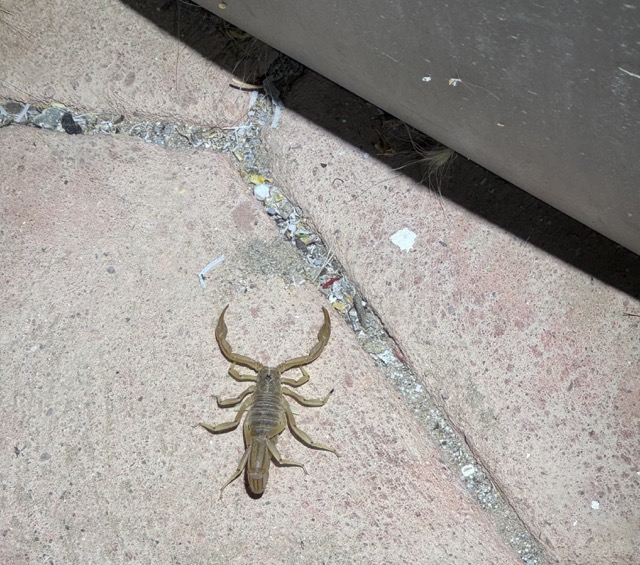
Arizona bark scorpions hide in block wall gaps, palm debris, garages, pool equipment, and AC areas during the day. At night, they follow crickets, cockroaches, and other prey toward the home. Our service treats scorpion travel routes, harborage zones, entry points, and the insects that sustain the population.

Ants & Fire Ants

Ant colonies expand quickly after irrigation changes and monsoon rain. Trails often begin near pavers, foundation edges, block walls, tree roots, and landscape beds before reaching kitchens or bathrooms. We identify active routes and nesting pressure, then treat the colony zone rather than spraying only the ants currently visible.

Spiders

Black widows commonly build irregular webs beneath pool equipment, patio furniture, utility boxes, garages, block wall caps, and shaded ledges. We remove accessible webs and egg sacs, treat confirmed harborage areas, and reduce the insect prey that allows spider activity to rebuild after a basic cleanup.

Cockroaches

Cockroaches gather around drains, irrigation boxes, sewer access points, trash storage, pool equipment, and damp landscaping. Exterior treatment focuses on moisture, shelter, food sources, and movement routes before roaches establish themselves in garages, kitchens, bathrooms, or wall voids.

Crickets

Cricket activity surges during monsoon season and after rain. Large numbers collect near exterior lights, garages, patios, block walls, and door thresholds. Crickets also provide food for bark scorpions and spiders, so controlling them reduces both the immediate nuisance and secondary predator activity.

Snakes

Rattlesnakes, including western diamondbacks and Mojave rattlesnakes, enter yards through open gates, block wall gaps, desert-edge lots, and wash corridors. Gopher snakes are commonly mistaken for rattlesnakes. Snake calls receive priority because DIY handling creates bite risk for homeowners, children, and pets.

Roof Rats & Mice

Roof rats climb citrus trees, block walls, utility lines, and tile roof edges before entering attics through gaps about the size of a quarter. Mice use garages, sheds, crawl spaces, and foundation openings. Will identifies droppings, rub marks, nesting material, entry points, and wiring risks before recommending rodent removal and exclusion.

Wasps

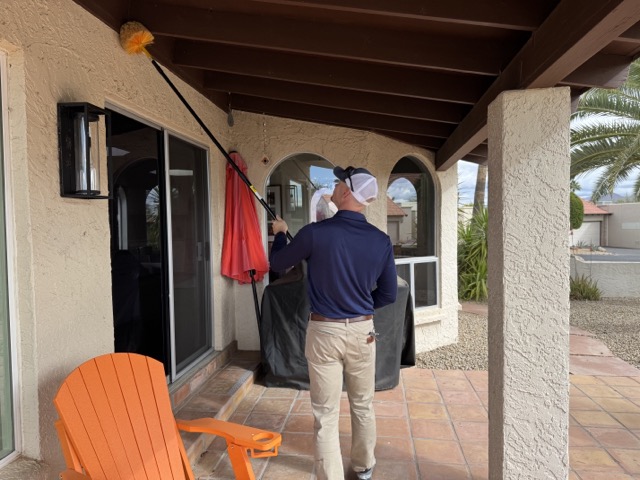
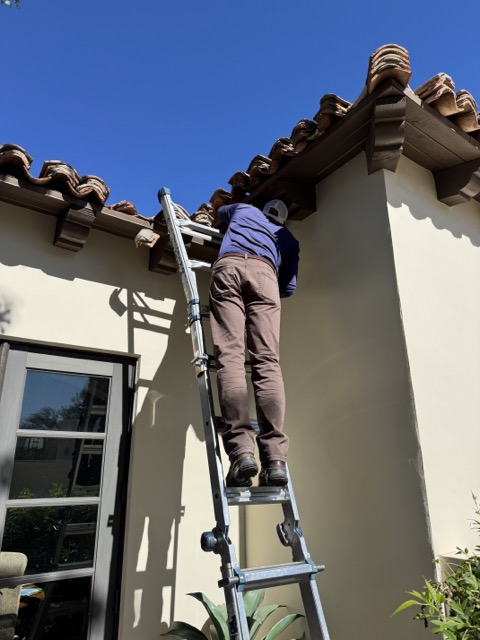
Wasps build nests beneath eaves, patio covers, outdoor furniture, utility boxes, sheds, and roof edges. We locate the active nest, identify flight paths, and treat the site without applying unnecessary product across the entire yard. High or concealed nests require access planning before treatment begins.

General Insects

Our exterior pest control also addresses beetles, silverfish, boxelder bugs, and other insects moving toward doors, garages, patios, and utility openings. Will identifies the active species before choosing products and placement because different insects use different food sources, moisture zones, and travel routes.
Arizona's Pest Calendar

Why Mesa Homes Need Year-Round Pest Control

Mesa does not have a long winter pest shutdown. Activity shifts by season as temperature, irrigation, rainfall, food sources, and shelter change. A treatment plan should reflect what is active on the property, not follow the same spray pattern at every visit.
Book Free Inspection
Spring (Mar–May)
Warming temperatures increase bark scorpion movement, ant colony growth, black widow activity, and wasp nesting. Pool equipment, block walls, patio storage, and landscape beds become active harborage zones. Spring service establishes the exterior barrier before summer heat pushes more pests toward shaded structures and indoor spaces.
Summer (Jun–Aug)
Extreme heat drives bark scorpions, cockroaches, spiders, and crickets toward garages, bathrooms, AC areas, and cooler wall gaps. Treatments must account for Arizona heat, direct sun, irrigation, and protected surfaces. Product choice and placement matter because exposed areas and shaded harborage do not perform the same way.
Monsoon Season (Jul–Sep)
Monsoon rain displaces insects from soil, drains, block walls, and landscape beds. Ant trails surge after storms, cricket populations rise, and scorpions become more mobile while following prey. Inspections also look for washed-out treatment zones and new gaps created by wind, roof movement, or water damage.
Fall & Winter (Oct–Feb)
Cooler nights move crickets, cockroaches, spiders, and scorpions toward garages, utility penetrations, stored materials, and warmer foundation edges. Pest pressure usually changes location rather than disappearing. Monitoring during these months shows whether activity is declining or shifting to protected areas closer to the home.
01

Free Property Inspection

Will walks the foundation, block walls, garage perimeter, door thresholds, weep screeds, irrigation areas, citrus trees, oleanders, pool equipment, AC lines, patios, and utility penetrations. He identifies the active pest species, harborage conditions, moisture sources, prey insects, and likely entry routes before recommending service.

02

Targeted Perimeter Treatment

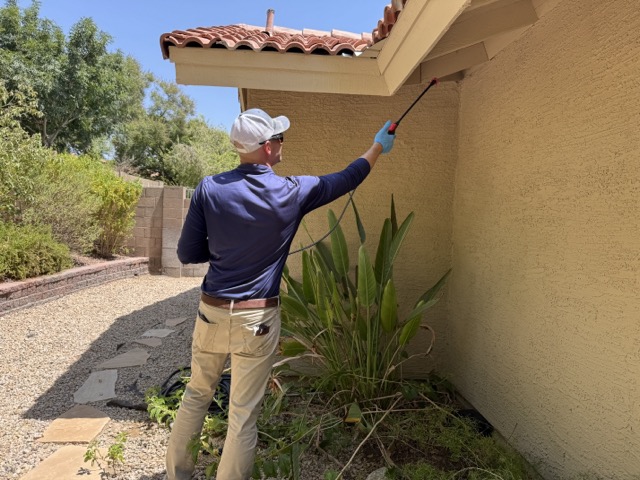
We apply a focused exterior barrier around confirmed travel zones, foundation edges, doorways, garage openings, and other access points. Products are selected according to the pest, surface, exposure, label requirements, and Arizona weather rather than applying the same mixture across every part of the property.

03

Harborage & Entry Point Treatment

We treat the protected places pests use for shelter, including block wall gaps, shaded ledges, utility boxes, pool equipment areas, irrigation boxes, and AC penetrations. Accessible spider webs, egg sacs, and debris are removed where appropriate so the treatment reaches the active harborage instead of sitting around it.

04

Prevention Recommendations

Will explains which property conditions are supporting the problem. Recommendations may address irrigation leaks, standing water, dense groundcover, leaf litter, firewood, outdoor pet food, trash storage, door sweeps, utility gaps, or vegetation touching the structure. The advice is specific to what he finds during the inspection.

05

Ongoing Service Plan

Mesa properties with recurring bark scorpion pressure, block wall harborage, desert-edge exposure, heavy irrigation, or monsoon insect surges often need quarterly or bi-monthly service. Visit frequency is based on the property and pest history. We do not place every customer on the same schedule automatically.

Our Approach

How Exterior Pest Control Works

Our process starts with inspection, not automatic spraying. Will identifies the pest, its food and moisture sources, its hiding places, and the routes connecting the yard to the home. Treatment then focuses on the areas producing activity while avoiding unnecessary applications.
Schedule Free Visit

Safe for Your Family, Pets & Plants

Dog & Cat Safe
Child Safe
Plant & Garden Safe
Pool Safe
No Harsh Chemicals
Where we Work

Exterior Pest Control Across Mesa and More.

Based in Mesa, responding fast across every East Valley community.
Mesa
Chandler
Gilbert
Tempe
Scottsdale
Queen Creek
Ahwatukee
Apache Junction
Sun Lakes
Gold Canyon
Fountain Hills
Paradise Valley
Rio Verde
Exterior Pest Control

FAQs

More often than most people expect. Arizona’s warm winters mean pests stay active year-round, there’s no real off-season. For most East Valley homes, we recommend quarterly treatments at minimum. Homes with high scorpion pressure, desert-adjacent lots, or large mature landscaping benefit from bi-monthly service. One treatment a year simply doesn’t hold in this climate.

No. Every product we use is specifically selected to be safe for pets, children, and landscaping. We ask about animals, edible gardens, water features, and pool areas before every treatment and plan accordingly. We’ll let you know if there’s a short wait time before your pets can re-enter a treated zone, usually just until it dries.

Professional-grade products have longer residual life, are formulated for Arizona’s extreme heat, and are applied in the right locations, not just sprayed along baseboards. More importantly, we inspect first to understand why pests are present and treat accordingly. DIY products address what you see. We address what’s causing it.

Most customers notice a significant reduction within the first 1–2 weeks as the treatment works through the population. Scorpions may appear more active in the first few days as they are disrupted from their harborage, this is normal and a sign the treatment is working. Full results are typically apparent within 2–4 weeks.

Get Your Free Estimates Today

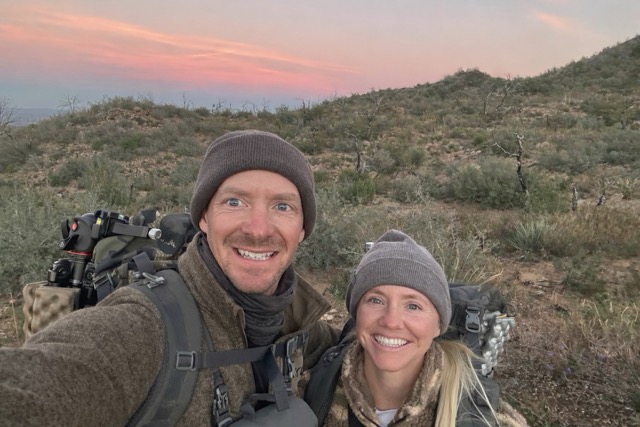
No pressure, no obligation. A certified wildlife biologist visits your home, diagnoses the problem honestly, and gives you a clear, fair quote.
Where We Work

Exterior Pest Control Across the East Valley

Mesa
Chandler
Gilbert
Tempe
Scottsdale
Queen Creek
Ahwatukee
Apache Junction
Sun Lakes
Gold Canyon
Fountain Hills
Paradise Valley
Rio Verde