
Pigeon Removal &
Proofing in Mesa, AZ
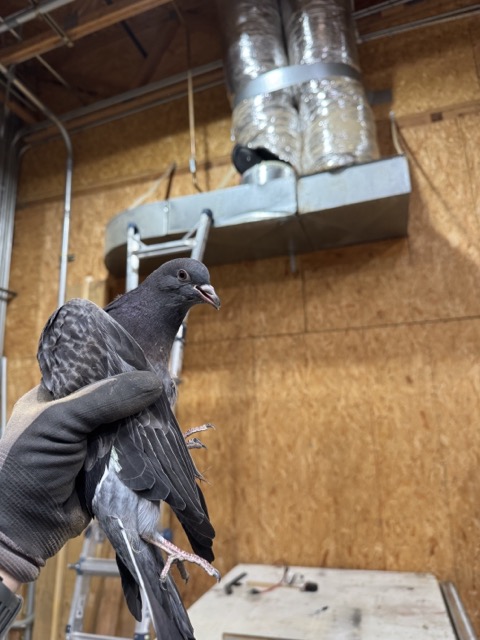
Pigeons on your roof right now? Removal is step one, exclusion is what keeps them gone.
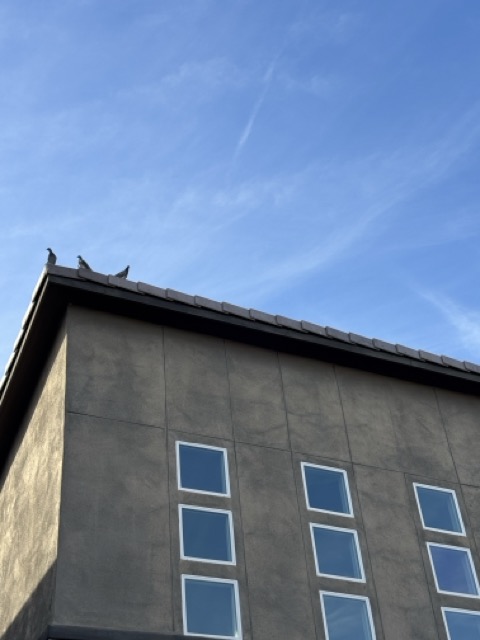
How Pigeons Damage
Your Mesa Homes
Why Mesa Homes
Attract Pigeons
Free Property Inspection
Will walks your roof, solar array, gutters, eaves, and any other roosting surfaces, identifying every active nesting site, the size of the colony, and the full extent of the damage. Clear, itemized quote before any work begins.
Removal and Nest Clearing
Live capture, never poisons. Every nest, egg, and scrap of nesting material comes out. This step is not optional: pigeons navigate back to established sites, and leftover material tells them they are home. Will's wildlife biology background means traps are positioned based on actual pigeon behavior and flight patterns.
Complete Nest Removal
Pigeon pairs mate for life and reuse the same nest for years, so the nest itself is what marks the location as theirs. Every nest and all nesting material is removed from all roosting sites. Skip this and the birds treat your roof as established territory and keep trying.
Exclusion Installation
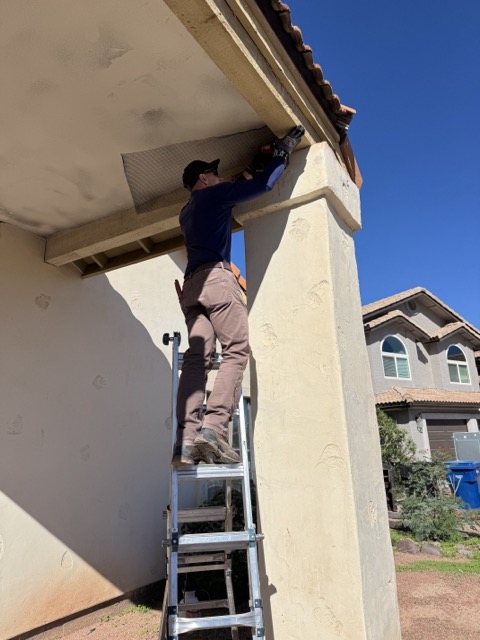
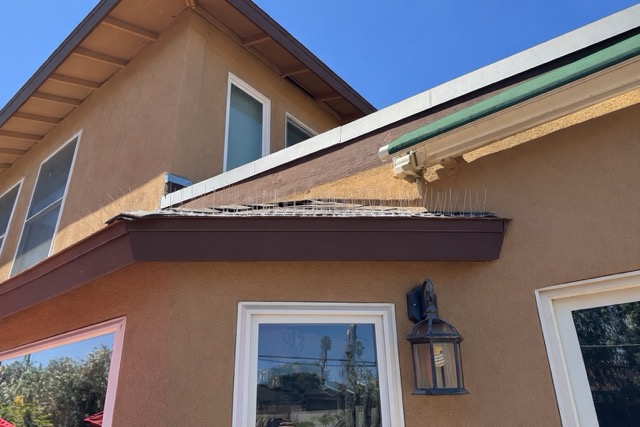
The right exclusion method for each surface, solar panel screening, bird spikes, vent covers, or netting, custom-fit to your specific roof and architectural layout. No gaps, no vulnerable spots left open.
Wet-Down, Sanitizing, and Cleanup
Dried droppings are never dry-swept, dry-scraped, or blasted with a pressure washer. That aerosolizes exactly what you do not want airborne, and in Mesa's heat droppings dry fast. We wet the area down first, disinfect with the proper dwell time, then wash. Waste and used PPE are double-bagged and removed from the property.
Our Complete Pigeon
Removal Process
10% OFF For First Visit
Schedule Your VisitPigeon Removal
FAQs
That is the normal outcome, and there is research behind why. Spikes only protect the surface they sit on, so birds shift to the next ledge. University of Arizona documented something worse: spikes installed incorrectly can create sheltered pockets that pigeons and native doves then nest inside, so the install itself becomes the nesting site. Professional exclusion treats every roosting surface as one system and pairs it with nest removal and sanitizing, because the scent and site cues in an old nest are what keep birds coming back.
Yes, with thorough exclusion on your property, pigeons from neighboring properties cannot establish on yours even if nearby populations are high. The exclusion physically prevents landing and nesting. What you cannot control is aerial overflight, but established colonies form where birds can land and nest repeatedly, that’s what exclusion stops. Your roof stops being viable habitat.
Lower than most pest control marketing suggests, and higher than zero. University of Arizona research is clear that for most healthy people, contact with droppings or nesting material carries low disease risk. The real concern is immunocompromised households: cancer, transplant, HIV/AIDS, and inherited immune conditions. One Arizona-specific note worth making: histoplasmosis gets quoted constantly in bird removal advertising, but it is largely a humid-climate disease. In our dry desert conditions it is primarily a risk to immunocompromised people and to cavers exposed to bat guano, not a typical outcome of pigeons on a Mesa roof. What we do take seriously here is E. coli contamination on pool decks and patios, psittacosis exposure during cleanout, and bird mites migrating indoors after the birds leave.
Pigeons are not federally protected under the Migratory Bird Treaty Act, which means their nests and eggs can be legally removed without special permits. We handle this as part of complete nest removal, allowing eggs to hatch first would mean a longer timeline and a larger colony to address. Will handles this in compliance with all applicable Arizona wildlife regulations.
We can trap them. They come back. Pigeons have documented homing from over 1,000 miles and fly at 50 mph, and University of Arizona researchers note that a released bird often beats the driver home. Relocation is the reason so many homeowners are on their second or third pigeon company. Trapping clears the birds that are on your roof today. Exclusion is the part that ends it, because it takes the roosting and nesting site away permanently.
Faster than people expect. Using University of Arizona’s figures, a single mated pair can produce 78 offspring in two years: two eggs per clutch, six clutches a year, and chicks that start breeding themselves at around six months. Pigeons breed year-round, and Mesa’s mild winters mean nothing slows them down seasonally the way it would in a colder climate. A pair on the eave in spring is a colony by the next summer, which is why waiting is usually the expensive choice.
Small, fresh deposits on a patio are a reasonable DIY job. Built-up droppings and old nesting material in an enclosed space are not. The single most important rule, straight from University of Arizona guidance: never scrape, sweep, vacuum, or pressure wash dry droppings. Disturbing dried material is what puts spores and fecal fragments into the air, and that is the actual exposure risk. Wet the area down with water first, then clean gently with disposable cloths. Wear disposable gloves and an N95 at minimum and wash your clothes afterward. Anyone who is immunocompromised should not do this work at all. Significant buildup calls for full PPE and proper disinfectant dwell time, which is a large part of what you are hiring when you hire us.