
Science-First.
Family- Operated.
15+ Years
Certified Biologist
Humane Methods
Family Owned
Same-Day Service
A Family Business Built on Integrity
10% OFF For First Visit
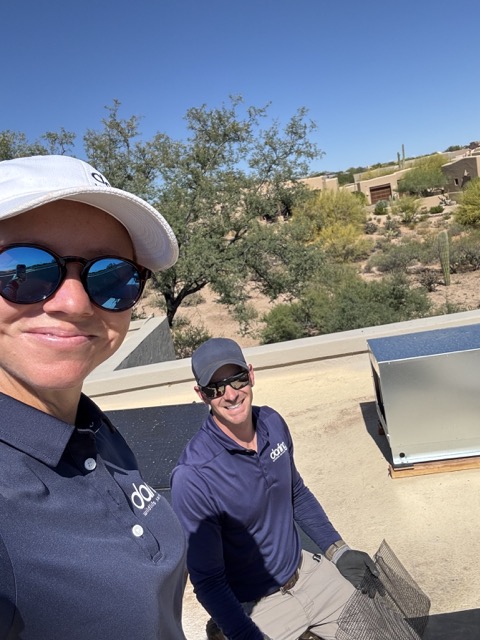
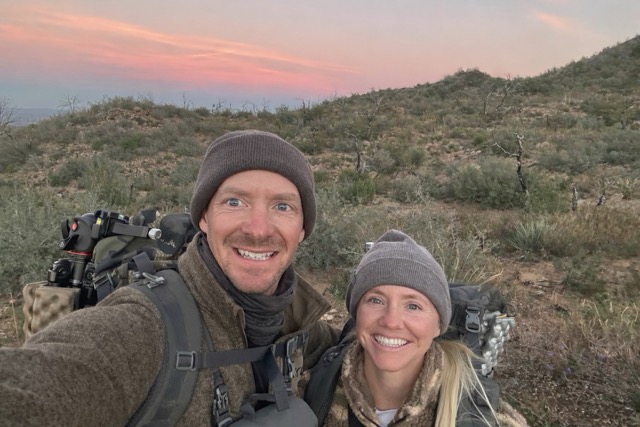
Schedule Your VisitMeet Will & Elle Darling


What Makes Us Different
Proudly Serving the East Valley
Frequently Asked
Questions
Pigeons are not federally protected under the Migratory Bird Treaty Act, which means their nests and eggs can be legally removed without special permits. We handle this as part of complete nest removal, allowing eggs to hatch first would mean a longer timeline and a larger colony to address. Will handles this in compliance with all applicable Arizona wildlife regulations.
Yes, that’s one of the key reasons East Valley homeowners choose us. We handle humane removal, entry point sealing, nest and droppings cleanup, sanitization, and attic insulation replacement all under one roof. You don’t need to coordinate multiple contractors.
Very likely. Nighttime scurrying or scratching in attics and walls is the most common sign of roof rats or squirrels, both of which increase entry attempts during monsoon season. The sooner you call, the smaller the population we’re dealing with. Don’t wait until the noises stop, that rarely means they’ve left.
Ideally before June, before the heat peaks and the first storms arrive. Pre-season treatment and exclusion work is significantly more effective than reactive removal after wildlife has already entered. That said, we respond immediately whenever you need us, even during peak monsoon activity.
Yes, and we’ve built specific processes for it. We offer pre-listing inspections with written documentation, rapid scheduling to meet closing timelines, multi-property service agreements, and turnaround between tenants. If you manage or sell properties in the East Valley and need a reliable wildlife and pest partner, reach out directly and we’ll set up a conversation.
We handle everything. Removal, exclusion, cleanup, sanitization, attic insulation replacement, and pressure washing are all services we provide. One of the most common frustrations homeowners have with other companies is getting the animal out and then being told to call someone else for the damage. That’s not how we work.
Especially then. Vacant properties are significantly more vulnerable, there’s no human presence to deter wildlife, no one noticing the early warning signs, and months for a small problem to become a large one. Our vacation home protection sets up a barrier before you leave, monitors the property while you’re away, and inspects on your return. It’s far less expensive than dealing with what six unprotected months can produce.
A one-time removal addresses what’s already there. Home protection is ongoing, regular inspections, perimeter treatment, and exclusion work that prevents wildlife and pests from establishing in the first place. Think of it like a dental cleaning versus waiting until you have a cavity. The goal is to catch problems early and maintain a barrier so you’re never dealing with a full-blown infestation.
Most customers notice a significant reduction within the first 1–2 weeks as the treatment works through the population. Scorpions may appear more active in the first few days as they are disrupted from their harborage, this is normal and a sign the treatment is working. Full results are typically apparent within 2–4 weeks.
Professional-grade products have longer residual life, are formulated for Arizona’s extreme heat, and are applied in the right locations, not just sprayed along baseboards. More importantly, we inspect first to understand why pests are present and treat accordingly. DIY products address what you see. We address what’s causing it.
No. Every product we use is specifically selected to be safe for pets, children, and landscaping. We ask about animals, edible gardens, water features, and pool areas before every treatment and plan accordingly. We’ll let you know if there’s a short wait time before your pets can re-enter a treated zone, usually just until it dries.
More often than most people expect. Arizona’s warm winters mean pests stay active year-round, there’s no real off-season. For most East Valley homes, we recommend quarterly treatments at minimum. Homes with high scorpion pressure, desert-adjacent lots, or large mature landscaping benefit from bi-monthly service. One treatment a year simply doesn’t hold in this climate.
We handle all common nuisance bird species in the East Valley, pigeons (our most common call), sparrows, starlings, grackles, and other pest birds. We do not handle protected migratory songbirds that require federal permits. If you’re not sure what species you have, a free inspection will identify it immediately.
Don’t approach or corner it. Skunks spray as a defense mechanism and can also carry rabies. We handle skunk removal humanely and safely, trapping and relocating them without triggering a spray, then sealing the den entry to prevent re-occupation. Call us, don’t attempt this yourself.
Roof rats (Rattus rattus) are excellent climbers, unlike Norway rats that burrow at ground level, roof rats live and travel above ground: in trees, rooflines, utility lines, and attics. They’re sleek, dark brown or black, with a pointed nose and long tail. In the East Valley they’re primarily nocturnal and heavily attracted to citrus trees, which is why they’re so prevalent in Mesa, Chandler, and Gilbert neighborhoods.
You can trap a few rats, but without sealing the entry points, the population will continue replenishing itself from outside. Roof rats are neophobic, suspicious of new objects in their environment, which makes untrained trap placement often ineffective. More importantly, trapping without exclusion is a temporary fix. We address the entry points first, then the population.
Lower than most pest control marketing suggests, and higher than zero. University of Arizona research is clear that for most healthy people, contact with droppings or nesting material carries low disease risk. The real concern is immunocompromised households: cancer, transplant, HIV/AIDS, and inherited immune conditions. One Arizona-specific note worth making: histoplasmosis gets quoted constantly in bird removal advertising, but it is largely a humid-climate disease. In our dry desert conditions it is primarily a risk to immunocompromised people and to cavers exposed to bat guano, not a typical outcome of pigeons on a Mesa roof. What we do take seriously here is E. coli contamination on pool decks and patios, psittacosis exposure during cleanout, and bird mites migrating indoors after the birds leave.
Yes, with thorough exclusion on your property, pigeons from neighboring properties cannot establish on yours even if nearby populations are high. The exclusion physically prevents landing and nesting. What you cannot control is aerial overflight, but established colonies form where birds can land and nest repeatedly, that’s what exclusion stops. Your roof stops being viable habitat.
That is the normal outcome, and there is research behind why. Spikes only protect the surface they sit on, so birds shift to the next ledge. University of Arizona documented something worse: spikes installed incorrectly can create sheltered pockets that pigeons and native doves then nest inside, so the install itself becomes the nesting site. Professional exclusion treats every roosting surface as one system and pairs it with nest removal and sanitizing, because the scent and site cues in an old nest are what keep birds coming back.
Most infestations are fully cleared within 2–3 weeks from the first visit. Inspection and trap setup on day one, removal over 1–2 weeks, exclusion work once activity stops, and cleanup/restoration as a final step. Larger or multi-species infestations may take longer. We’ll give you a realistic timeline after the inspection, no vague estimates.
Don’t run the engine, dry nesting material under the hood is a fire hazard, and any chewed wiring can cause electrical issues. Call us immediately. We remove the nest, assess wiring damage, and set traps in the garage to address the population. We also advise on deterrent measures to prevent pack rats from using vehicles as nesting sites in the future.
Roof rats can squeeze through a gap the size of a quarter. Common entry points include: open or damaged roof vents, gaps in soffit returns, unsealed conduit penetrations, broken fascia boards, spaces around pipe entries through exterior walls, and gaps at roofline edges where tiles or shingles don’t seal completely. Most homeowners are genuinely surprised how many vulnerabilities their roof has once we walk them through it.
They may attempt to roost on the panel tops or nearby ledges initially. For properties with significant bird pressure, we can add bird spikes to roofline edges, parapet walls, and AC units to discourage landing. Solar panel screening eliminates their primary nesting site, most bird populations reduce significantly once their established colony is disrupted.
Most residential installations, a standard array of 20–30 panels, are completed in a single visit of 2–4 hours. Larger arrays or more complex rooflines may require a half-day. We schedule inspection and installation together wherever possible so you only need to be home once.
The ½” mesh allows full airflow beneath the panels, panels need ventilation to prevent overheating, and our screening provides it. The mesh itself doesn’t contact the panels or block any light. In fact, removing bird droppings and nesting material during installation typically restores 10–30% of efficiency that was being lost before.
No. Our clip-based installation attaches to the panel frames, not to the panels themselves, and not to your roofing tiles. No drilling, no screwing, no penetration of any surface. This is specifically why we use this system rather than cheaper alternatives that drill through the roof or clamp directly to panel glass.
Inspection and initial trap setup typically takes 1–2 hours. Traps are checked and adjusted over 1–2 weeks depending on the population size. Exclusion work follows once activity stops. Attic cleanup and insulation replacement, if needed, is scheduled separately. For most homes, the full process is complete within 2–3 weeks from the first call.
We never use rodenticide poison inside your home. Poison bait kills rats where they are, often inside walls, causing serious odor problems as they decompose. It also creates secondary poisoning risks for pets and raptors that may consume a poisoned rat. We use humane traps placed by a biologist who understands roof rat behavior and travel patterns, it’s faster and significantly cleaner.
Always. Will Darling is a licensed wildlife biologist, humane treatment is not just a marketing claim, it’s professional and ethical practice. We use live trapping and relocation, exclusion methods that redirect birds rather than harm them, and we never use poisons or inhumane traps on bird jobs.
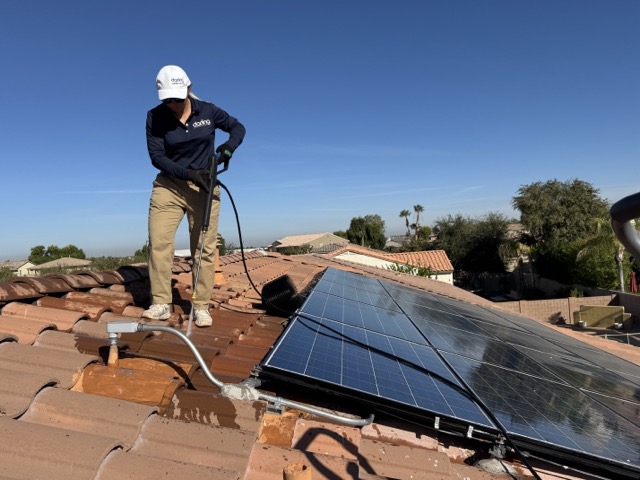
Yes. Our screening system is installed around the perimeter of the panel array using clips and hardware that attach to the panel frames, not the panels themselves. This method does not drill into panels, damage connectors, or void manufacturer warranties. We’ve installed this system on hundreds of East Valley homes.
Faster than people expect. Using University of Arizona’s figures, a single mated pair can produce 78 offspring in two years: two eggs per clutch, six clutches a year, and chicks that start breeding themselves at around six months. Pigeons breed year-round, and Mesa’s mild winters mean nothing slows them down seasonally the way it would in a colder climate. A pair on the eave in spring is a colony by the next summer, which is why waiting is usually the expensive choice.
Small, fresh deposits on a patio are a reasonable DIY job. Built-up droppings and old nesting material in an enclosed space are not. The single most important rule, straight from University of Arizona guidance: never scrape, sweep, vacuum, or pressure wash dry droppings. Disturbing dried material is what puts spores and fecal fragments into the air, and that is the actual exposure risk. Wet the area down with water first, then clean gently with disposable cloths. Wear disposable gloves and an N95 at minimum and wash your clothes afterward. Anyone who is immunocompromised should not do this work at all. Significant buildup calls for full PPE and proper disinfectant dwell time, which is a large part of what you are hiring when you hire us.
Roof rat droppings are larger, about ½” long with pointed ends, and you’ll typically hear them in the attic or ceiling. Mice leave smaller, rice-grain-sized droppings and are more likely to be found at ground level in kitchens and pantries. Pack rats build obvious, large stick nests. A free inspection from Will will confirm the species immediately and change the removal strategy accordingly.
We can trap them. They come back. Pigeons have documented homing from over 1,000 miles and fly at 50 mph, and University of Arizona researchers note that a released bird often beats the driver home. Relocation is the reason so many homeowners are on their second or third pigeon company. Trapping clears the birds that are on your roof today. Exclusion is the part that ends it, because it takes the roosting and nesting site away permanently.
We come back. If you’re on a service plan and notice signs of activity between scheduled treatments, sounds in the walls, droppings, a scorpion inside, call us and we’ll return at no additional charge. That’s built into the plan. You’re not buying a one-time treatment, you’re buying peace of mind.
Not if exclusion is done properly. Birds return to previous nesting sites using scent and familiarity. That’s why every removal includes thorough nest clearing, sanitization to eliminate scent markers, and physical exclusion barriers that prevent re-entry. Removal alone without exclusion is always temporary, we do both.
Same-day and next-day appointments are available in most cases throughout the East Valley. For urgent situations, birds inside the living space, extensive solar panel colonies, we prioritize scheduling. Call or text 480-848-6957 and we’ll get you booked as quickly as possible.
There’s no catch. We come to your property, assess the situation, and tell you exactly what we’re dealing with, completely free. You get a clear picture of the problem and our recommended solution. You decide if you want to proceed. No pressure, no hidden fees, no obligation whatsoever.
Yes. Darling Wildlife and Pest Control Services is fully licensed (Lic. #10454) and insured. Will is a credentialed Wildlife Biologist with over 15 years of field experience. You can trust that every treatment is carried out legally, safely, and professionally.
We’re based in Mesa, AZ and cover the entire Phoenix East Valley, including Chandler, Gilbert, Scottsdale, Tempe, Queen Creek, Fountain Hills, Paradise Valley, Apache Junction, Glendale, Peoria, and more. If you’re not sure whether we cover your area, just call or text, we probably do.
We’re 100% family-owned and operated. Will and Elle Darling run every aspect of the business. When you call us, you’re talking to the owners, not a call center or a franchise dispatcher.
Pricing varies based on the type of pest or wildlife, the severity of the infestation, and your property size. We never quote a price without seeing the problem first, that’s how we avoid over- or under-quoting. After your free inspection, you’ll receive a clear, itemized quote with no surprises.
Yes. For pests that require ongoing management, scorpions, roof rats, exterior pest control, we offer quarterly and bi-monthly treatment plans at a discounted rate. Regular service keeps populations low and prevents re-infestations. Ask us about plans when we come out for your inspection.
We stand behind our work. If a problem returns after treatment within the agreed timeframe, we come back at no additional charge. We’re confident in our biology-based approach, when we identify and address the root cause, results last.
Same-day and next-day appointments are available in most cases. Wildlife emergencies, snake in the house, bird trapped in the attic, active nest near children, are always prioritized. Call or text us at 480-848-6957 and we’ll get you scheduled as fast as possible.
Our approach is to address the root cause, not just the symptom. We seal entry points, identify attractants, and provide long-term prevention guidance as part of every treatment. Recurring issues can happen with certain pests (scorpions, for example, are endemic to Arizona), which is why we offer ongoing treatment plans that keep populations under control year-round.
Will walks your entire property, interior and exterior, looking for signs of activity, entry points, nesting sites, and attractants. You’ll get a plain-language explanation of exactly what he finds, what species is involved, how they’re getting in, and what it will take to fix it permanently. No jargon, no upsell pressure.
For the initial inspection and most interior treatments, yes, we’ll need access to your home. For exterior-only treatments and follow-up visits, we can often work while you’re away as long as we have access to the property. We’ll discuss logistics during scheduling.
Absolutely. Every product we use is specifically chosen to be safe for pets, children, and landscaping. Will’s biology background means we select treatments that target the pest, not your household. We’ll always let you know if there are any temporary precautions needed, but generally your family can go about their day normally.
We make it a point to ask about gardens, fruit trees, edible plants, and water features before every treatment. We use targeted, plant-safe products and avoid broad applications near edible landscaping. Just let us know what you have and where, we’ll plan our treatment accordingly.
Not much is needed. If you have pets, we’ll ask you to keep them indoors or away from the treatment area for a short period. Secure any open food in kitchen areas if we’re treating inside. We’ll give you specific prep instructions when we confirm your appointment, it’s usually minimal.
We are always animal-first. Every removal method we use is humane, live trapping, exclusion, deterrents, and relocation where possible. We never use methods that cause unnecessary harm to the animal. Will’s wildlife biology training means he understands animal behavior at a level that lets us resolve situations with minimal stress to the animal and your property.
Don’t approach or try to handle it. Keep people and pets away from the room, leave a door open so it can potentially exit on its own, and call us immediately at 480-848-6957. We prioritize snake calls and can usually be there the same day. Arizona has several venomous species including rattlesnakes and coral snakes, never assume a snake is safe to handle.
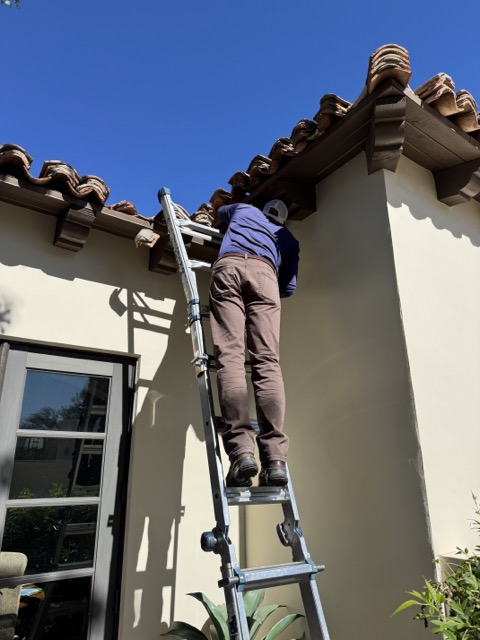
This is one of our most common jobs in Mesa and the East Valley. We install professional solar panel screening that physically blocks birds from nesting underneath while leaving the panels fully functional. We also remove existing nests and sanitize the area. The solution is permanent, once the screening is installed, birds can’t get back under.
Common signs include scratching or scurrying sounds in walls or ceilings at night, droppings in the attic or along baseboards, gnaw marks on wires or wood, and greasy smear marks along their regular pathways. Roof rats are most active at night. If you suspect an infestation, call us for a free inspection, the problem gets worse quickly if left untreated.
Yes. Scorpion control is one of our most requested services in the East Valley. We treat the exterior perimeter, common entry points, and harborage areas. Bark scorpions, the venomous species common in Arizona, are persistent, which is why we recommend quarterly treatments to keep populations suppressed. We also seal gaps and cracks to prevent entry.
Bats are federally protected in many cases, so removal must be done correctly and humanely. Don’t try to handle or trap it yourself. Call us immediately, we’ll assess the situation, determine if there’s a colony present, and implement a legal exclusion process that lets bats leave but not re-enter. Bat droppings (guano) can also be a health hazard, so we handle cleanup and sanitization as well.
Wildlife exclusion is the process of sealing entry points so animals can’t get into your home in the first place. We seal gaps in rooflines, vents, fascia boards, pipe penetrations, and any other opening larger than a quarter inch. If you’ve had one wildlife intrusion, chances are the entry point is still open, exclusion makes sure it doesn’t happen again.
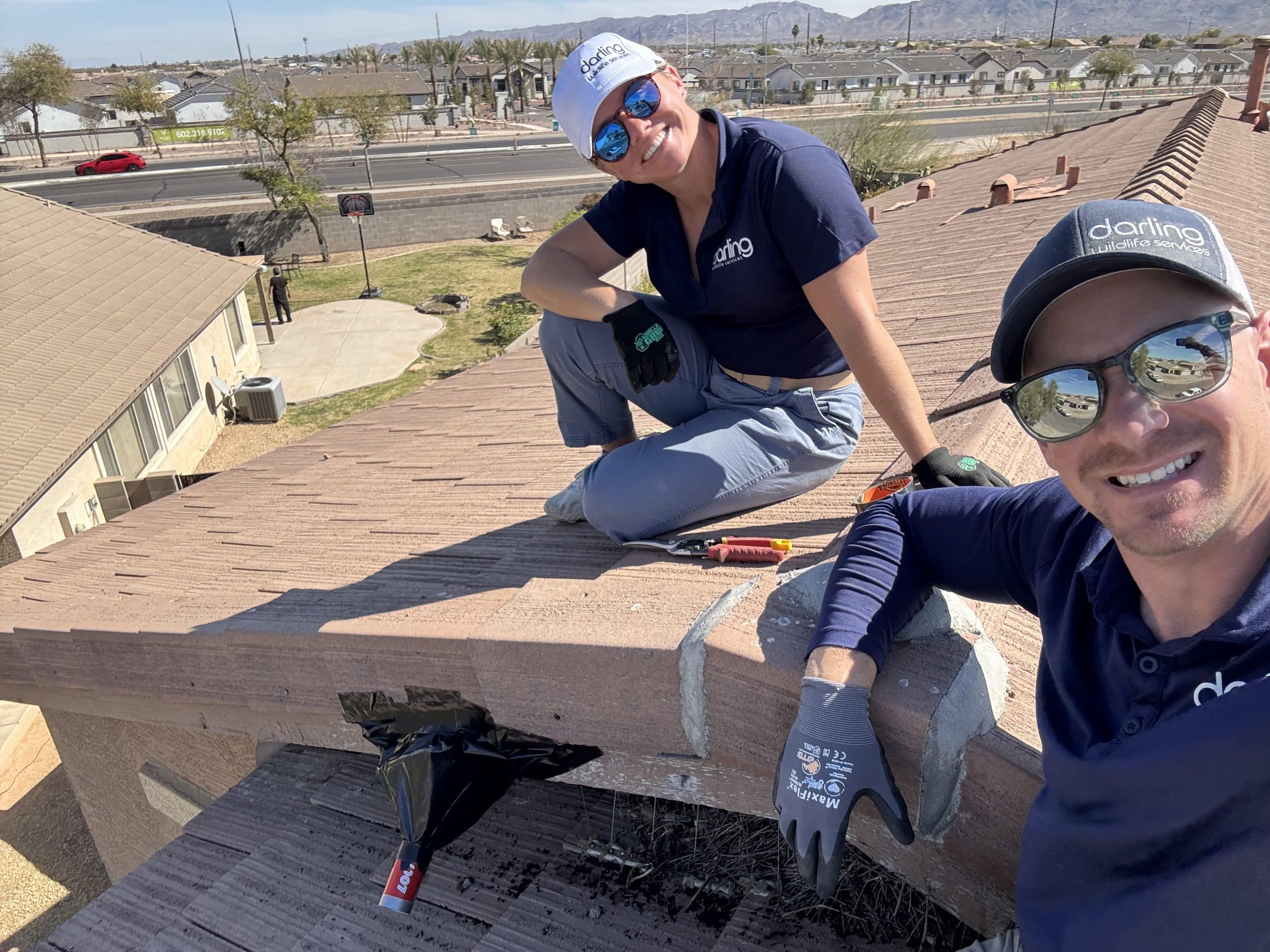
Yes. Uncapped chimneys and unscreened roof vents are two of the most common wildlife entry points in East Valley homes. We install heavy-gauge chimney caps and stainless steel vent covers that block birds, bats, roof rats, and squirrels from entering while maintaining proper airflow.
Yes. After an infestation, attic insulation is often contaminated with droppings, urine, and nesting material. We remove the contaminated insulation, sanitize and fog the space, and install fresh blown-in insulation. This restores your home’s energy efficiency and eliminates health hazards from animal waste.